

Archeological Periods in Anatolia: Choosing Your Historical Route
Choosing the right itinerary through Anatolia requires an expert eye. It helps to look at history through the eyes of a professional Turkey archaeology tour guide. Anatolia offers prehistoric stone circles in Mesopotamia. It also features classical marble avenues along the Aegean. Understanding these distinct archaeological eras ensures your custom trip aligns with your interests. Guided by a licensed field specialist, you can move beyond general tourist packages. You will experience a deeply authentic exploration of these ancient lands.
Must-See Eras Recommended by a Turkey archaeology tour guide
When planning your journey, a professional Turkey archaeology tour guide will split the timeline. History generally divides into three major, captivating chapters:
- The Neolithic Dawn (Southeast Anatolia): This is the prehistoric chapter before modern cities existed. Göbekli Tepe captures the global headlines. However, a strong itinerary should always include Karahan Tepe and the Şanlıurfa Museum. This ensures the excavated pillars become real stories rather than just mysterious stone shapes. Expect open, exposed excavation sites under vast skies. These places have fewer interpretive signs. Having an expert guide makes all the difference here.
- The Bronze Age Empires (Central Anatolia): The focus here is entirely on Hattuşa. This was the ancient Hittite capital. The site showcases monumental stone gates, defensive walls, and sanctuary remains. It appears less polished than coastal Roman ruins. However, it carries immense historic power. It is ideal if you enjoy studying ancient international treaties and early empire logistics.
- Greek and Roman Classics (Aegean & Mediterranean): This coastal region delivers a grand, immersive classical city experience. Iconic locations like Ephesus, Pergamon, Troy, and Aphrodisias offer breathtaking architecture. They also provide clear, walkable ancient street plans.
Must-See Highlights with a Licensed Archaeology Specialist
Building a successful route requires a regional approach. Every distinct landscape teaches a different part of the human timeline. Regional museums are critical for this process. They turn piles of excavated stone into real historical figures and names.
Beginning Your Journey in Istanbul
Starting your expedition in Istanbul provides the perfect foundation. The Istanbul Archaeology Museums offer a fine big-picture introduction. It is one of the best intros anywhere in the country. The curated artifacts here help later site visits click much faster. You quickly stop viewing a scattered marble column as just a decorative stone. Instead, you start recognizing distinct architectural styles, dates, and historical reuse.
Framing the Layers of Empire
Nearby classical landmarks help frame these layered imperial histories. They prevent your itinerary from turning into a generic holiday city break. The Hagia Sophia area, the ancient Hippodrome, and the Topkapı Palace zone are excellent. These areas remain incredibly compact and heavy with history. Scheduling Istanbul at the very beginning of your travel program is smart. It sharpens your perspective for everything that follows.
Coastal Ruins: Insights from a Turkey archaeology tour guide
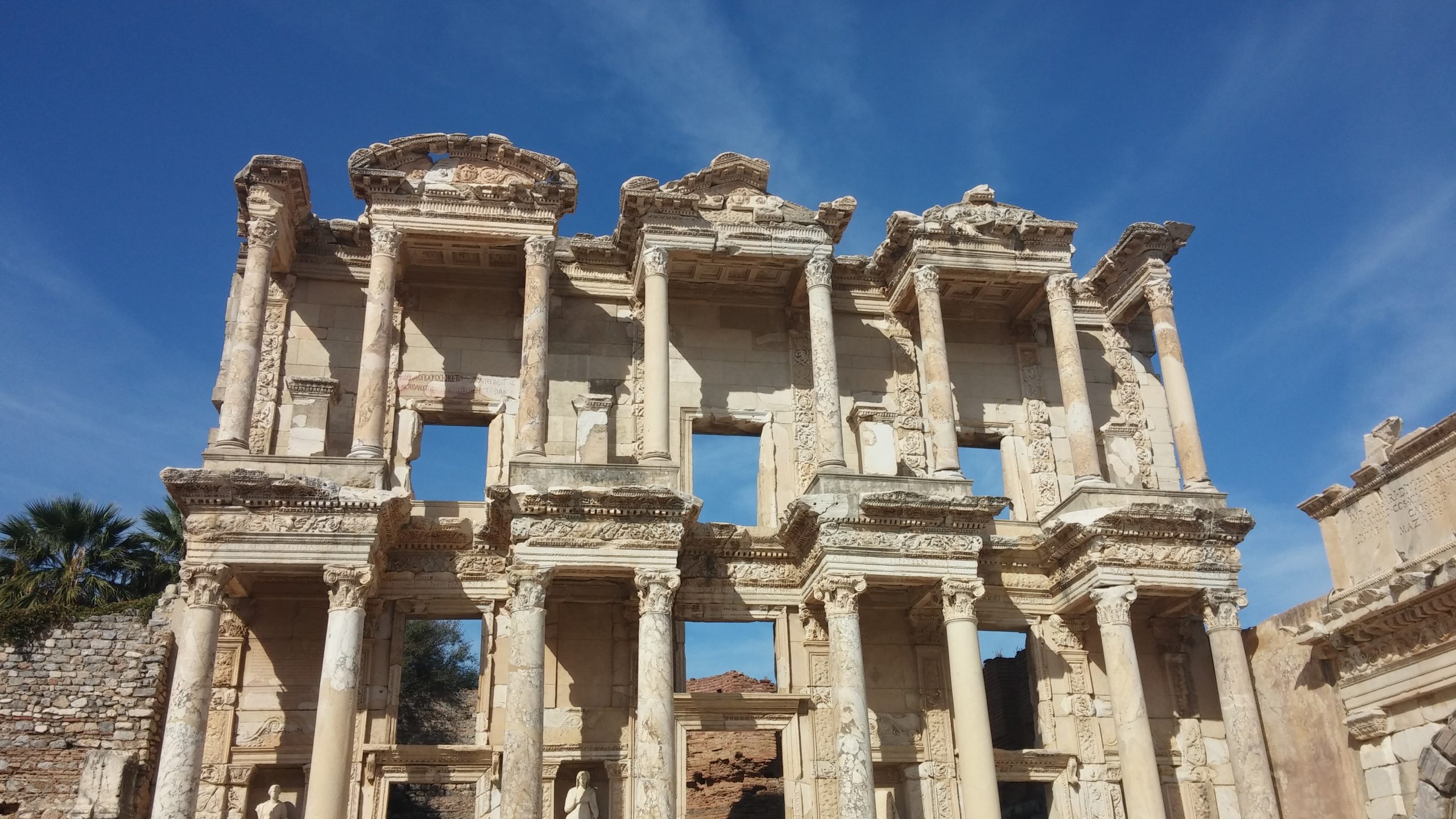
Ephesus remains unmatched if your goal is walking through an ancient Roman metropolis. It still actually feels like a living city. As any experienced Turkey archaeology tour guide will tell you, the site is incredible. The original marble avenues, the massive Great Theatre, and the towering façade of the Library of Celsus combine beautifully. They create an incredibly immersive experience.
Ehe excavated Terrace Houses showcase the intimate details of daily domestic life. They move far beyond mere public monuments. We always pair this walk with a visit to the Ephesus Museum in Selçuk. This connects original statues and stone inscriptions directly back to the streets you just explored. You can also read more deep historical details on the Official UNESCO World Heritage Website regarding how Ephesus was structured.
Drama and Artistic Legacy
- The Hilltop Acropolis of Pergamon: This dramatic site allows you to feel history. You see exactly how steep, rugged terrain shaped military and political power in antiquity.
- The Layered Levels of Troy: Troy offers a completely different experience focused on complex, layered archaeology. Instead of looking for a single preserved monument, you analyze the structures. You see how cities were built, destroyed, and rebuilt over millennia.
- The Master Sculptors of Aphrodisias: For art enthusiasts, Aphrodisias stands out completely. It features an exceptionally preserved ancient stadium. It also offers a calmer atmosphere than the busy coastal hubs. The on-site museum is filled with masterfully carved marble works.
Central and Southeast Anatolia: Hittites and Cave Churches
Ancient archaeology feels remarkably lived-in within the unique landscape of Cappadocia. The rock-cut sanctuaries of the Göreme Open-Air Museum are excellent examples. They demonstrate exactly how early Christian communities adapted complex church architecture. They carved it directly into the soft volcanic stone. Meanwhile, descending into the deep underground cities alters your perspective. It makes historical safety and food storage feel completely real rather than abstract. The sprawling ruins of Hattuşa deliver incredible scale for those focusing on the Bronze Age. The massive defensive walls and the iconic Lion Gate are highlights. They showcase a powerful capital that successfully managed distant, rugged territories.
Heading Into the Deep Southeast with a Turkey archaeology tour guide
This is where the historical dates jump back dramatically into prehistory. Working alongside a dedicated Turkey archaeology tour guide ensures you gain the deep context needed. This is especially true when visiting Göbekli Tepe. This global headline is best understood with world-class institutions. Combine it with the Şanlıurfa Archaeology and Mosaic Museum. You can also check the official research insights provided by the Go Türkiye Official Tourism Portal. These resources help you understand exactly what was unearthed. They explain why it completely transformed our understanding of human history.
You can also read more deep historical details on the Official UNESCO World Heritage Website regarding how Ephesus was structured.